Always available
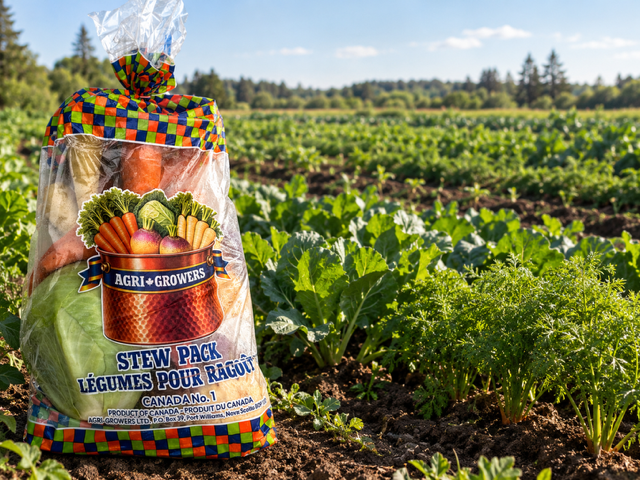
STEW PACK
A standard grocery store stew pack is a pre-packaged mix of fresh chopped or whole root vegetables and greens designed to make cooking stews and soups fast and easy. [1, 2]
Contents: A typical 5 lb grocery stew pack (found at stores like Sobeys or Foodland) usually contains:
Uses: Soups and stews: Chop up the contents into a pot with beef, chicken, or vegetable broth and simmer. Roasts and salads: Can be chopped smaller for cold slaws or roasted alongside meats. [1, 2]
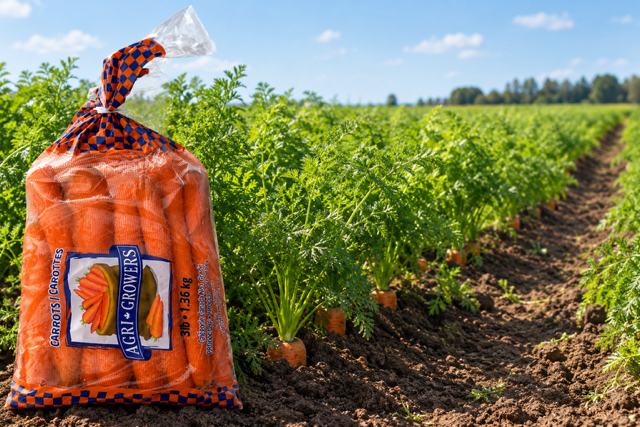
CARROTS
Orange carrots get their bright color and nutritional power from beta-carotene, an antioxidant that your body converts into vitamin A. [1] Nutrition and Health Benefits:
- Vitamin A: Supports good vision, immune function, and skin
- Low Calorie: A 100-gram serving (about two small-to-medium carrots) has only 41 calories.
- Fiber: Provides both soluble and insoluble fiber to aid digestion and lower cholesterol.
- Eye Protection: Contains lutein, which helps protect against age-related eye issues. [1, 2]
Ancient Origins: The first cultivated carrots grown thousands of years ago were purple or yellow. Selective Breeding: Modern orange carrots were developed and popularized in Europe (largely by Dutch growers) during the 16th and 17th centuries through crossbreeding yellow and white variants. [1, 2, 3, 4]
PARSNIPS
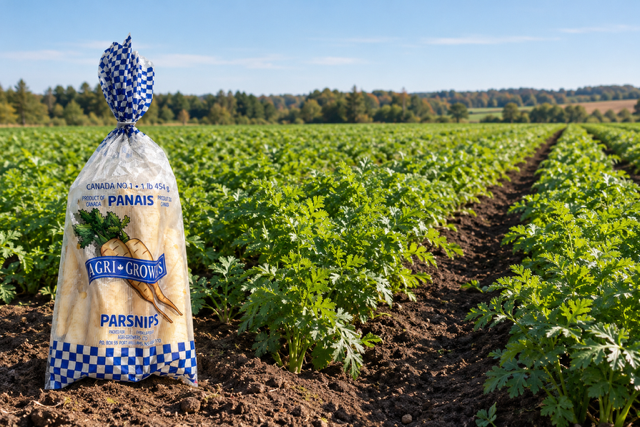
Parsnips are cream-colored root vegetables closely related to carrots and parsley, known for their sweet, nutty flavor that deepens after exposure to frost. [1, 2, 3]
Fast Facts:
- Origin: Native to Eurasia and the Mediterranean region.
- Season: Peak flavor arrives from late fall through winter after frost converts their starches into sugars.
- Caution: The sap and foliage contain compounds that can cause a skin rash or blisters when exposed to sunlight (photodermatitis). [1, 2, 3, 4, 5]
Nutrition
YELLOW ONIONS
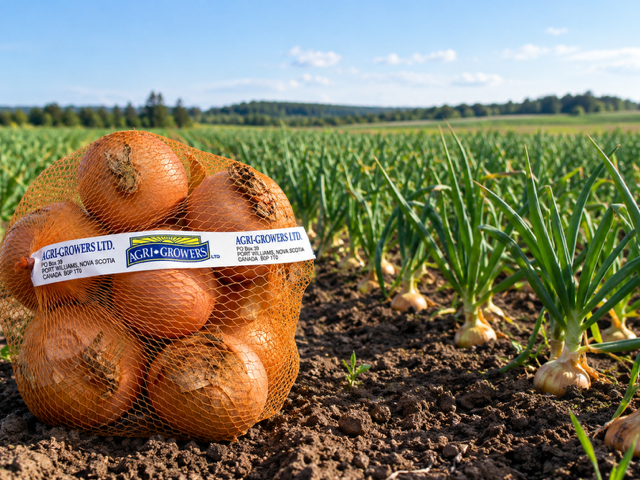
Yellow onions are versatile, all-purpose Yellow Onions with a brown-yellow papery skin and white-to-cream flesh, making them the most widely used cooking onion in North America. [1, 2, 3, 4, 5] Key Characteristics:
- Flavor Profile: Sharp, pungent, and slightly spicy when raw; deeply sweet, nutty, and mild when cooked.
- High Sulfur Content: Higher sulfur and natural sugar balance than white or red onions, creating a rich depth when heated.
- Nutritional Value: Very low in calories (about 38 calories per 100 grams) and a good source of vitamin C, fiber, and the antioxidant quercetin. [1, 2, 3, 4, 5]
Best Uses:
- Cooking: Ideal for soups (like French onion soup), stews, braises, sautés, and stocks.
- Caramelization: Their high sugar-to-pungency balance makes them the premier choice for slow-cooking until sticky and sweet.
- Raw Use: Generally avoided for raw dishes (like salads) because their raw pungency can be overpowering. [1, 2, 3, 4, 5, 6]
BEETS
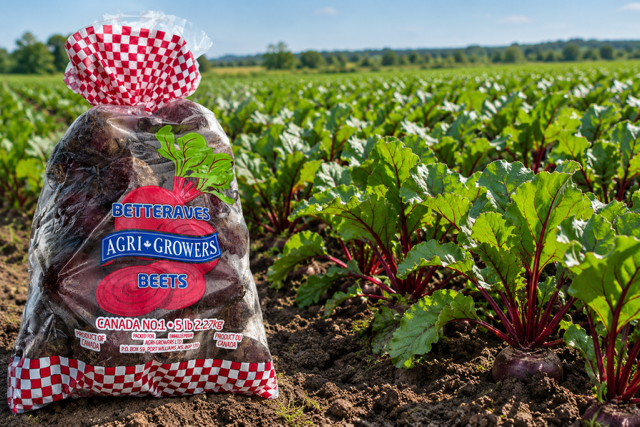
- Colors: Available in red, golden, white, and candy cane (Chioggia) stripes.
- Size: Range from golf ball to softball size, with medium beets offering the best flavor. [1, 2]
Nutrition and Health Benefits:
- Vitamins and Minerals: Rich in folate (vitamin B9), potassium, manganese, vitamin C, and iron.
- Nitrates: High in inorganic nitrates, which convert to nitric oxide to help lower blood pressure and boost exercise performance.
Antioxidants: Contain betalains, the compounds responsible for their deep red or purple color. [1, 2, 3]
How to Select and Store
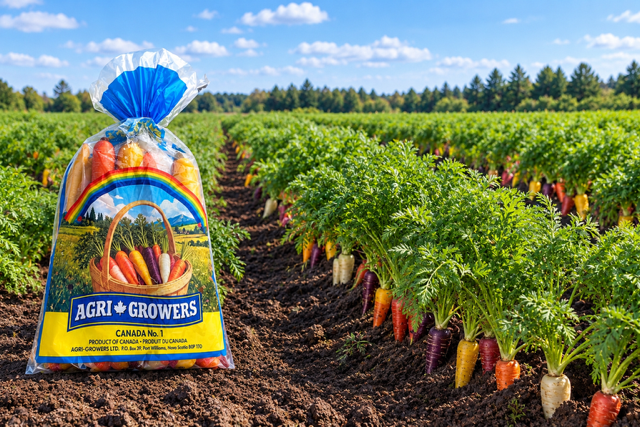
RAINBOW CARROTS
Rainbow carrots are a colorful mix of orange, purple, yellow, red, and white carrot varieties that offer distinct flavors and unique antioxidant profiles. [1]
Colors and Health Benefits
- Purple: Rich in anthocyanins for heart health, featuring a sweet, slightly peppery taste.
- Orange: Packed with beta-carotene for vitamin A, delivering the classic sweet carrot flavor.
- Yellow: Contains lutein to support eye health, offering a mild and smooth sweetness.
- Red: Provides lycopene to fight free radicals, with a strong, sweet taste.
- White: Earthy and less sweet, making them ideal for soups and stews. [1, 2, 3, 4]
Quick Facts